Stationery & Writing
Products · Stationery & Writing
2 active deals
Stationery and writing: match ink, paper and format
Choosing a pen, notebook or folder seems simple until ink bleeds through, a page will not open properly or a document will not fit. Everyday stationery works best when its parts match. This category covers general writing and school supplies, not art paints or kits. Consider what you will write, how it travels and how long the pages will be kept.
Ink and tip for the way you write
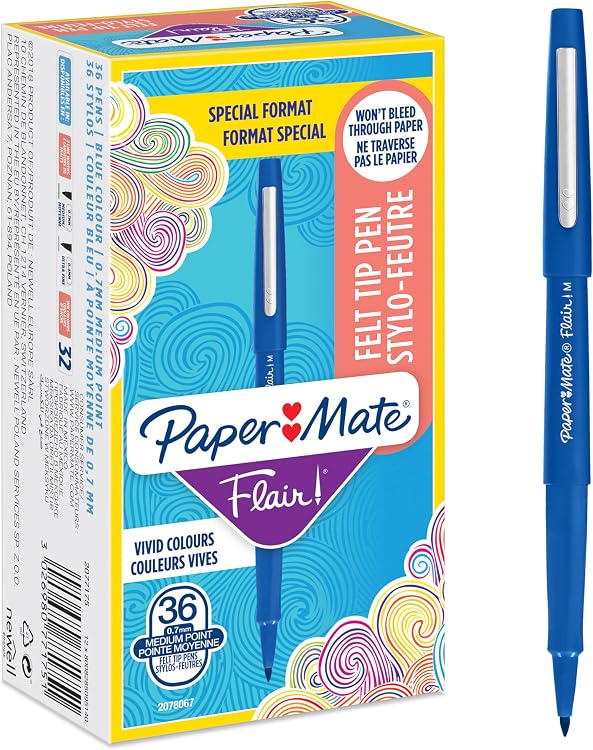
Line width, required pressure and drying time differ between ballpoint, liquid-ink and gel pens. If your hand rests over fresh writing, look for a pen-and-paper combination that resists smearing. A fine tip does not automatically give your preferred feel. Check refills by part reference: similar-looking cartridges can differ in length or fitting. For mechanical pencils, match the lead diameter to the size specified on the pencil. For particular documents, check any permanence requirements instead of assuming every writing ink is accepted.
Paper weight is not surface performance
Paper weight in grams per square metre describes mass per unit area, not thickness, and does not guarantee resistance to bleed-through or compatibility with every ink. Consider opacity, finish and erasability when using pencils. A4 is 210 × 297 mm; Letter is 215.9 × 279.4 mm, so they are different formats. For printing, confirm the size and media type your machine accepts. Very smooth paper can change drying and the tip's grip. Try a sheet with your intended instrument before buying a large quantity. A heavier sheet is not necessarily the better choice for ordinary handwritten notes.
Notebooks that open and travel well
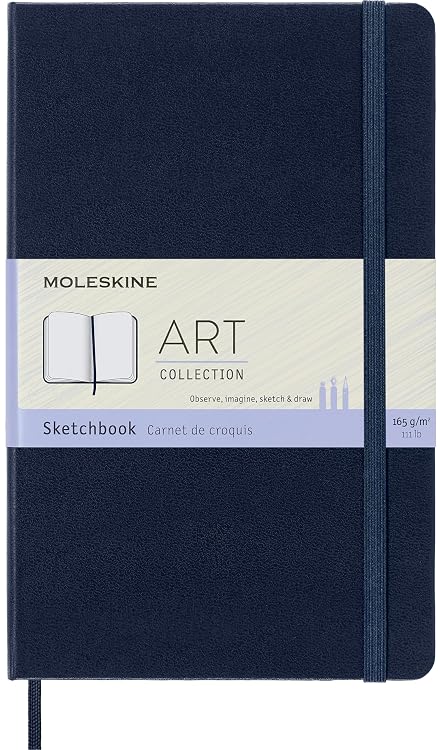
Spiral, sewn and glued bindings differ in opening behaviour and durability. Check whether you can write near the inner margin and whether pages need to tear out cleanly. A hard cover protects during transport but adds weight. Choose ruled, squared or plain pages for the task, confirming school requirements where relevant. Distinguish sheets from pages: one sheet has two sides, and product descriptions do not always use the same counting unit.
Folders and replacements with matching formats
Check internal dimensions, hole pattern and ring size for loose pages. Sleeves increase thickness and may extend beyond the paper's edges. To carry unpunched work, assess closure and capacity without bending it. Review school-set contents item by item, avoiding decorative duplication. Keep refill codes and choose formats you can replenish. A visually coordinated collection is less useful if its paper, replacements and folders do not actually fit together.