Floor Protectors & Rug Pads
Products · Floor Protectors & Rug Pads
1 active deal
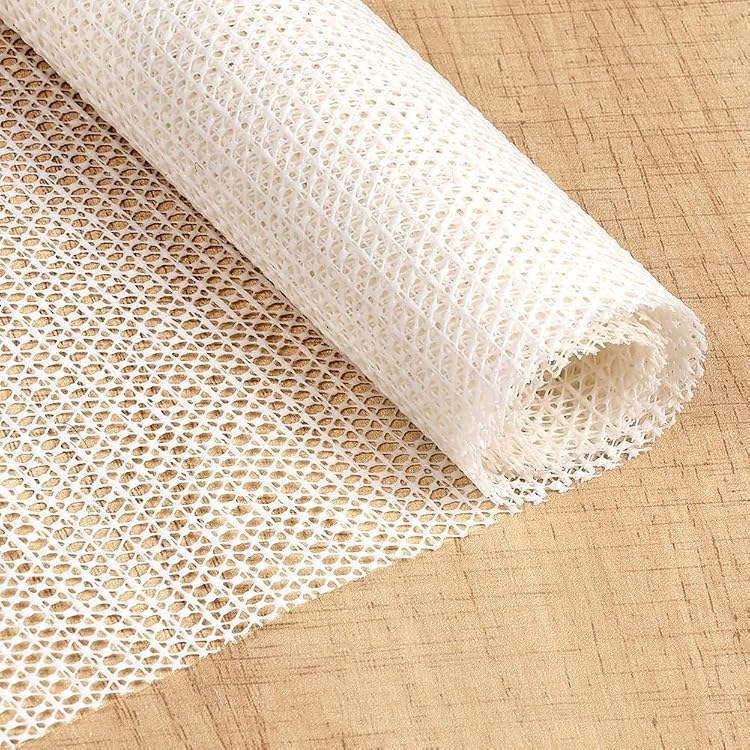
Choosing a rug underlay or a protective chair mat
A non-slip underlay helps a rug stay in place; a chair mat distributes pressure from castors and protects a working area. They are not interchangeable. Choose by considering the floor type, intended activity and actual dimensions together, with particular attention to the material that will touch the floor's finish.
Match the product to the floor and purpose
Chair mats are designed for hard flooring or carpet, depending on the model. Gripper studs intended for carpet must not sit on wood or another hard floor. With a rug pad, check that suitability is stated for both the floor and the rug backing. Cushioning can improve comfort, but cushioning alone does not establish non-slip performance.
- For carpet, compare the permitted pile height and the support the mat provides.
- Do not replace a purpose-made underlay with a tarp or a decorative rug.
Measure the movement area, not just the furniture
A chair mat needs to cover where the castors travel as you sit down, move and stand up, rather than only the footprint beneath the seat. Check clearance around desk legs and whether a forward lip is useful. For a rug, measure length and width, then follow the recommended size reduction so the underlay does not protrude or lift the rug's edge.
- Check that the thickness allows doors to open and does not obstruct a walkway.
- Trim only products designed for cutting, following instructions and avoiding uneven edges.
Check material and finish compatibility
Rigid plastics, felt pads and rubber or latex layers behave differently. A broad material description does not guarantee compatibility: some combinations may stain, stick or affect the finish. Look for approval from the flooring and protector manufacturers, especially for vinyl, recently treated wood and underfloor heating. For chair use, check the declared load and resistance to concentrated pressure from castors.
- Confirm the temperature limits when the floor contains a heating system.
- Observe the finish's curing time before covering a newly treated surface.
Keep the contact clean and stable
Place the protector on a clean, dry floor. Trapped grit can scratch it despite the barrier. Lift the mat periodically to check for moisture, debris and changes in colour. Clean both sides using the allowed method and let them dry before replacement. Watch for a shifting rug or a mat that buckles: no material guarantees stability across every combination of surfaces.
- Replace brittle or sticky underlays and chair mats with cracks or raised edges.
- Remove the protector if marks appear; do not add adhesive without explicit compatibility.