Coffee
Products · Coffee
2 active deals
Choosing coffee for your brewing method and rate of use
Buying coffee means choosing an ingredient that needs to work with the way you prepare it. An appealing pack can disappoint if the grind does not suit your brewer or its size means leaving it open too long. Before comparing origins or tasting notes, identify the format you can use and how you like your coffee: black, with milk or as a longer drink.
Start with format and machine compatibility
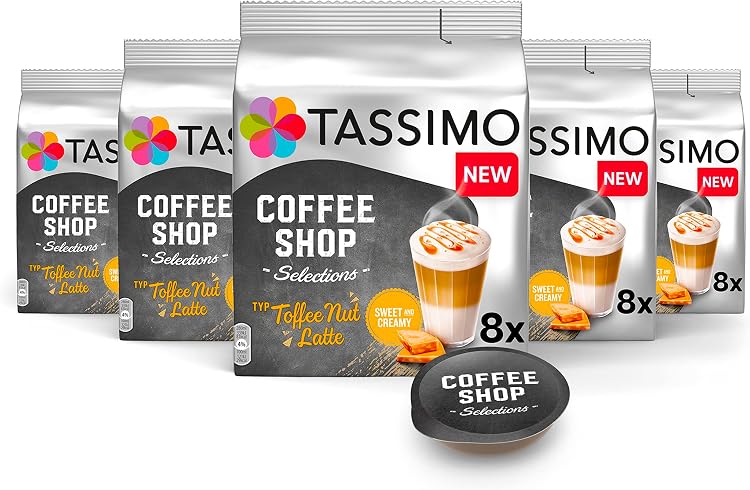
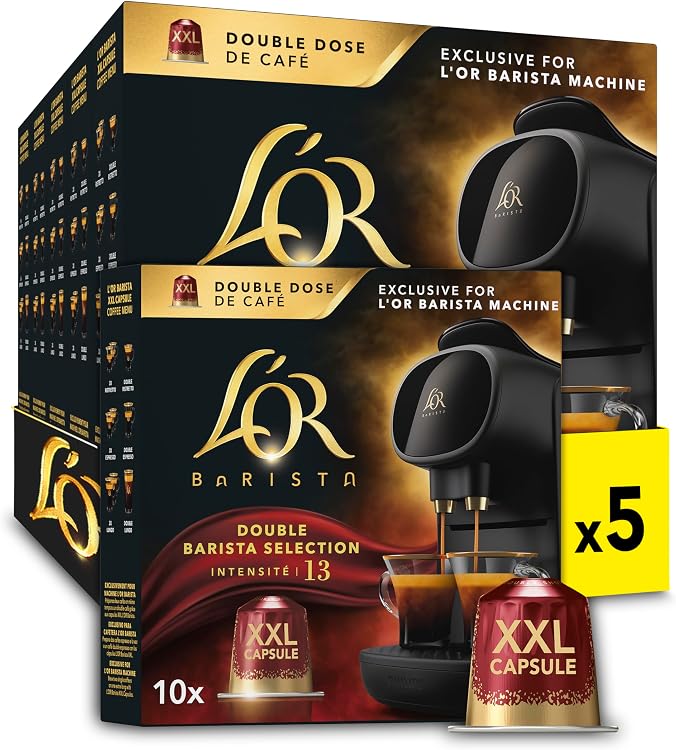
Beans let you grind just before brewing but require a suitable grinder and time to make adjustments. Ground coffee simplifies the routine when its texture suits the method: a grind intended for filter brewing should not be assumed suitable for espresso. Instant coffee dissolves and is not a substitute for grounds inside a filter. For capsules, check the exact system and its variants; the machine's brand or a similar capsule shape is not enough to establish compatibility.
Read roast and tasting notes without confusing intensity
Roast, blend and preparation all influence the result. Chocolate or fruit notes describe expected sensations rather than necessarily identifying added ingredients; read the composition of flavoured products. A commercial intensity scale does not equal caffeine content or automatically allow comparisons between brands. If you want decaffeinated coffee, check the designation without interpreting it as an absolute absence of caffeine. Do not infer health benefits from an origin or roast style.
Compare using a preparation you can repeat
To establish your preference, keep the brewing method, water quantity and usual recipe consistent during comparison. If you also change the grind or amount of coffee, you cannot attribute the result to the product alone. Use package instructions as a starting point and adjust one variable at a time for taste. Check the intended drink volume of a capsule too: extending it indefinitely can produce a cup different from the one expected.
Choose pack size by usable freshness and cost per cup
Compare price by weight for beans or grounds and by unit for capsules, but calculate a cup using your actual consumption rather than advertised yield. A large pack loses its appeal if some is wasted. Follow storage and resealing instructions; avoid moisture, heat and nearby odours. Distinguish the roasting date, when given, from the best-before date. For instant mixtures, check whether the weight includes sugar or other ingredients before comparing them with pure coffee.