Shoes
Explore Shoes by subcategory and find the deals you are looking for.
Subcategories
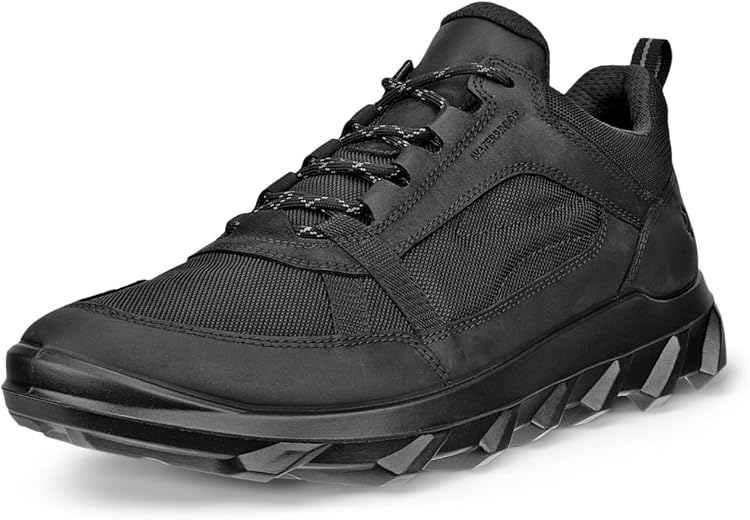
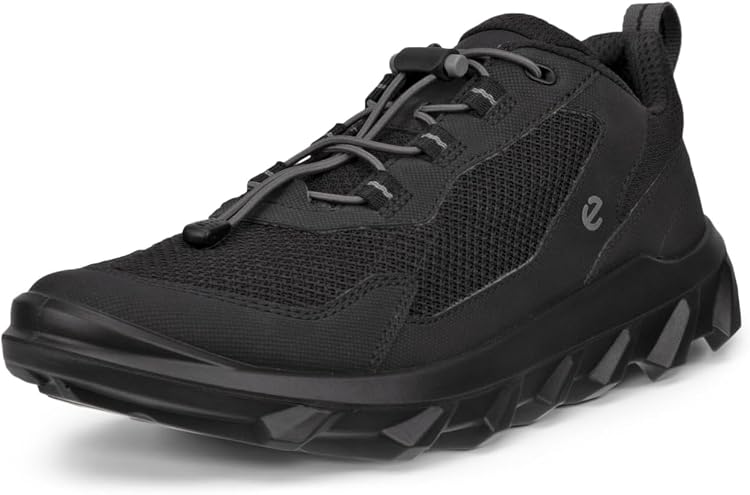
Products · Shoes
2 active deals
How to choose footwear that fits your feet and your needs
A shoe can be the right length yet still squeeze your toes, let your heel slip or feel uncomfortable when walking. Size is only the starting point: the last, internal volume and the way your foot moves matter too.
When choosing between trainers, boots or dress shoes, it helps to separate fit, purpose and construction. That makes it easier to distinguish a useful feature from an extra that is not worth paying for.
Length, width and last: three separate decisions
Start with the larger foot, measuring both while standing with your weight evenly distributed. In closed-toe walking or running shoes, around 8–12 mm of space beyond your longest toe is a guide, not a universal rule. Your toes should not hit the front when going downhill.
The right width lets your toes spread without pressure from the sides. Your heel stays secure without having to overtighten the laces across your instep. If there is spare length but the forefoot feels tight, you need a different width or last, not necessarily a larger size. A pointed toe reduces usable space even when the size matches.
Sizes vary between brands, and socks matter too
The same size can fit differently between brands and even between models. A model-specific size chart is more useful than a generic conversion between European, UK and US sizes. Establish whether the centimetre measurement refers to foot length or an internal measurement: they are not interchangeable.
Try shoes with the socks you will actually wear and, if you use your own removable insole, with that in place. Thick socks take up room, but do not fix a last that is too wide. For extended wear, trying shoes towards the end of the day helps assess the fit when your feet are a little more swollen.
Walking, running, working and dressing up have different demands
For everyday walking, prioritise a comfortable heel-to-toe transition and secure hold that does not make you grip with your toes. For running, your foot also needs to stay in place when accelerating or turning. A lightweight racing shoe may be less suitable for slow walking or spending hours on your feet.
For work, distinguish standing from moving continuously: weight, ventilation and grip have different implications. If your role requires protection, choose the required certification. A sturdy-looking boot is no substitute. For occasions, a suitable last and a secure fit around the heel matter more than hoping the shoe will eventually stretch.
Match the outsole to the ground
On asphalt and smooth surfaces, a broad contact area and moderate tread are generally more practical than deep lugs. On loose soil or mud, spaced-out lugs help bite into the ground and shed dirt. On smooth, wet rock, the rubber compound and design matter as much as tread depth.
Aggressive tread does not guarantee grip on wet tiles, and a sole designed for indoor use may wear quickly outdoors. For work, a slip-resistance rating provides information under specific test conditions, not immunity from slipping. Choose for the surfaces you normally encounter, not simply the look of the outsole.
More flexibility or cushioning is not always better
For walking, flex near the base of the toes is often comfortable. Folding freely through the middle is not the same thing. Some stiff shoes with curved rocker soles help the foot roll forward without bending as much: you need to try them in motion. Bending a shoe by hand is not enough to judge how it behaves.
A soft midsole may feel pleasant initially, but can also allow more sinking and side-to-side movement. Extra stack height puts more material underfoot, without automatically adding stability. For running, compare comfort and control at your usual pace. For standing, consider a stable base too. Paying for maximum cushioning is not always worthwhile.
Materials: breathability and waterproofing involve trade-offs
Open mesh encourages ventilation, but readily lets in water and dust. A waterproof membrane is useful in rain or wet grass, but may release heat less effectively than an open construction. It does not stop water entering over the collar, nor prevent moisture from sweat building up inside.
Leather can adapt slightly with wear, but should not be bought in the expectation of gaining a full size. Synthetic materials vary widely: the whole construction matters, including the lining. For heat and intense activity, prioritise ventilation. For cold, wet conditions, combine external protection with enough room for your socks, without squeezing your feet.
Construction and care that genuinely affect lifespan
Look at the joins between upper and sole, toe reinforcement and heel protection in relation to expected wear. Decorative stitching does not prove that footwear can be resoled. If repairability matters to you, look for a construction that supports it and an available repair service. A traditional appearance is not enough.
A removable insole makes it easier to air and clean the inside. Remove mud before it hardens, dry shoes away from radiators and use products compatible with the material. Machine washing can damage adhesives or finishes unless the manufacturer allows it. Alternating pairs gives them time to dry inside between wears.
Compare the exact version and preserve your return options
Before assessing a deal, identify the size, width, waterproof or ventilated version and material: one model name can cover different constructions. The practical cost includes possible return charges and necessary care. A larger discount does not make up for the wrong width or an outsole unsuited to your route.
Try on both shoes indoors on a clean surface, then walk, turn and flex your toes. If possible, try a gentle slope without marking the soles. Pain, squeezed toes or obvious heel slipping are not simply signs that shoes need breaking in. Confirm the return window, conditions and cost before wearing them outside.